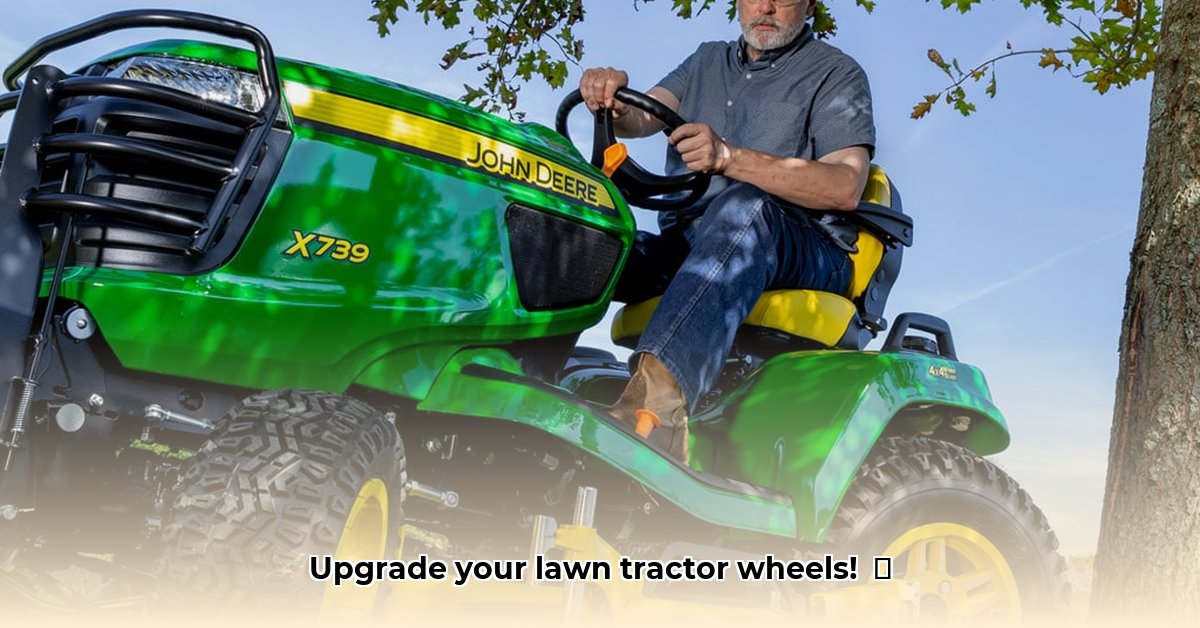
Lawn Tractor Wheels and Sustainable Agriculture
Choosing the right lawn tractor wheels isn't just about functionality; it's a key element of sustainable agricultural practices. The lifespan of these seemingly small components significantly impacts environmental sustainability, operational costs, and overall farm efficiency. This guide explores how mindful wheel selection and maintenance can contribute to a greener and more profitable farming operation. For more information on specific tire sizes, check out this helpful resource: 4-00-15 Tractor Tires.
The Environmental Impact of Lawn Tractor Wheel Production and Disposal
The environmental footprint of lawn tractor wheels extends beyond their immediate use. Manufacturing processes consume considerable energy and resources, particularly in the production of rubber and metal components. Petroleum-based rubber, commonly used in tire construction, contributes to greenhouse gas emissions. Furthermore, the transportation of these wheels from manufacturing plants to distribution centers and farms adds to their carbon footprint. Finally, improper disposal of worn-out tires leads to landfill buildup, potential soil and water contamination, and the release of harmful chemicals into the environment. These factors collectively underscore the need for sustainable practices throughout the entire lifecycle of lawn tractor wheels.
Extending the Lifespan of Lawn Tractor Wheels Through Proper Maintenance
Extending the life of your lawn tractor wheels is a crucial step towards sustainable agriculture. Simple maintenance practices can dramatically increase their lifespan and reduce the need for frequent replacements. Regular checks of tire pressure are paramount; underinflation causes excessive wear and tear, while overinflation can lead to premature tire failure. Maintaining the manufacturer's recommended inflation pressure helps optimize fuel efficiency and tire longevity. Avoiding harsh operating conditions, such as driving over excessively rocky terrain, minimizes damage and extends tire life. Regular visual inspections for cuts, punctures, or uneven wear patterns enable the timely detection and repair of minor issues, preventing further damage and costly replacements. Proactive maintenance is a cost-effective strategy that minimizes waste and promotes sustainability. Isn't proactive maintenance the key to long-term cost savings and environmental stewardship?
Sustainable Material Alternatives for Lawn Tractor Wheels
The agricultural industry is witnessing ongoing innovations in tire materials. The pursuit of more environmentally friendly solutions is leading to the development of bio-based rubber, produced from renewable resources instead of petroleum. These bio-based alternatives aim to reduce dependence on finite resources and lessen the carbon footprint of tire production. Additionally, research and development focus on incorporating recycled materials into tire construction, diverting waste from landfills and reducing the demand for virgin materials. These advancements promise a substantial reduction in the environmental impact associated with lawn tractor wheels. Will bio-based rubber and recycled materials become the industry standard in the near future, driving down environmental costs and overall waste?
Actionable Steps for Sustainable Lawn Tractor Wheel Management
Implementing these practical steps can significantly reduce the environmental impact associated with lawn tractor wheels:
Invest in High-Quality Wheels: Purchasing durable, high-quality wheels from reputable manufacturers may have a higher upfront cost, but the extended lifespan translates to long-term cost savings and reduced waste. This approach aligns with a sustainable practice of prioritizing quality over immediate cost reductions.
Prioritize Preventative Maintenance: Implement a regular maintenance schedule that includes checking and adjusting tire pressure, inspecting for damage, and avoiding harsh terrain whenever feasible. Consistently maintaining the integrity of your wheels significantly extends their functional lifecycle.
Choose Responsible Disposal Methods: When your wheels reach the end of their useful life, always look for local tire recycling programs and dispose of them responsibly, preventing landfill buildup and environmental contamination. Partnering with environmentally responsible recycling centers ensures the proper disposal of used tires.
Support Sustainable Manufacturers: Support manufacturers committed to environmentally friendly practices; this includes companies that utilize recycled materials, bio-based rubber, or employ energy-efficient manufacturing processes. Your purchasing decisions directly influence the market and encourage the creation of eco-conscious alternatives.
Future Trends in Sustainable Lawn Tractor Wheel Technology
The future of lawn tractor wheels points towards enhanced sustainability. Advancements in materials science are expected to yield more resilient, longer-lasting tires made from sustainable resources. Furthermore, the development of more efficient tread designs can further minimize wear and tear. The integration of circular economy principles into manufacturing processes may soon allow for the reuse and recycling of tire components, creating a closed-loop system with minimal waste. The ongoing research and development in this sector promise a future where lawn tractor wheels contribute minimally to environmental impact while maximizing operational efficiency.
Conclusion: Sustainable Practices for a Greener Future
Choosing durable and sustainable lawn tractor wheels is not merely an environmentally conscious practice; it's a financially sound decision that optimizes operational efficiency and minimizes long-term expenses. By prioritizing quality, utilizing regular maintenance practices, and supporting sustainable manufacturers, farmers can contribute to a greener and more resilient agricultural industry. The seemingly small choice of tractor wheels resonates far beyond the farm itself, signifying a commitment to environmental stewardship and a more sustainable future.